
Septic
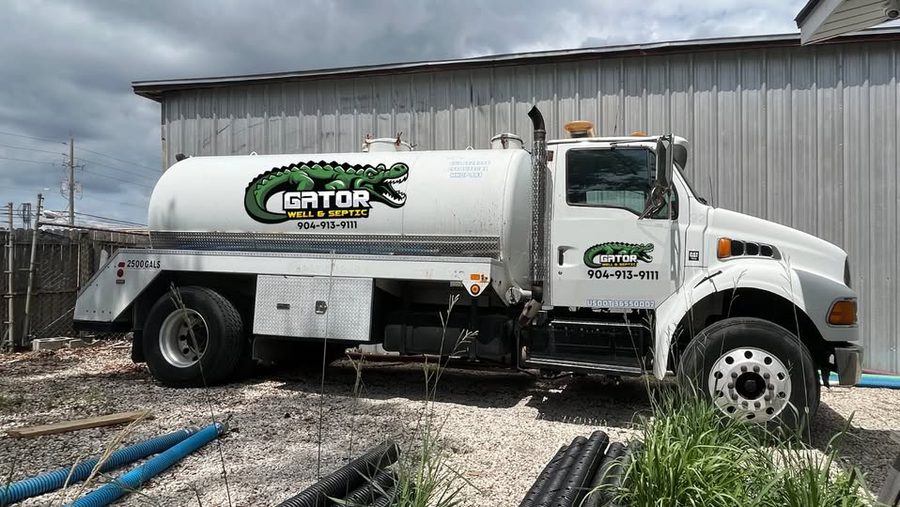
Septic tank pumping
Pump-outs on a three-to-five year cycle, plus a look at the tank, baffles and lid while it’s open.
Book a pump-out →FDEP Business Auth SA0222129Registration SR0221923Lic CUC1225779 · CFC1431081
Licensed & insuredMon–Fri · after-hours answeredOne-year warranty
Septic & water wells · Northeast Florida
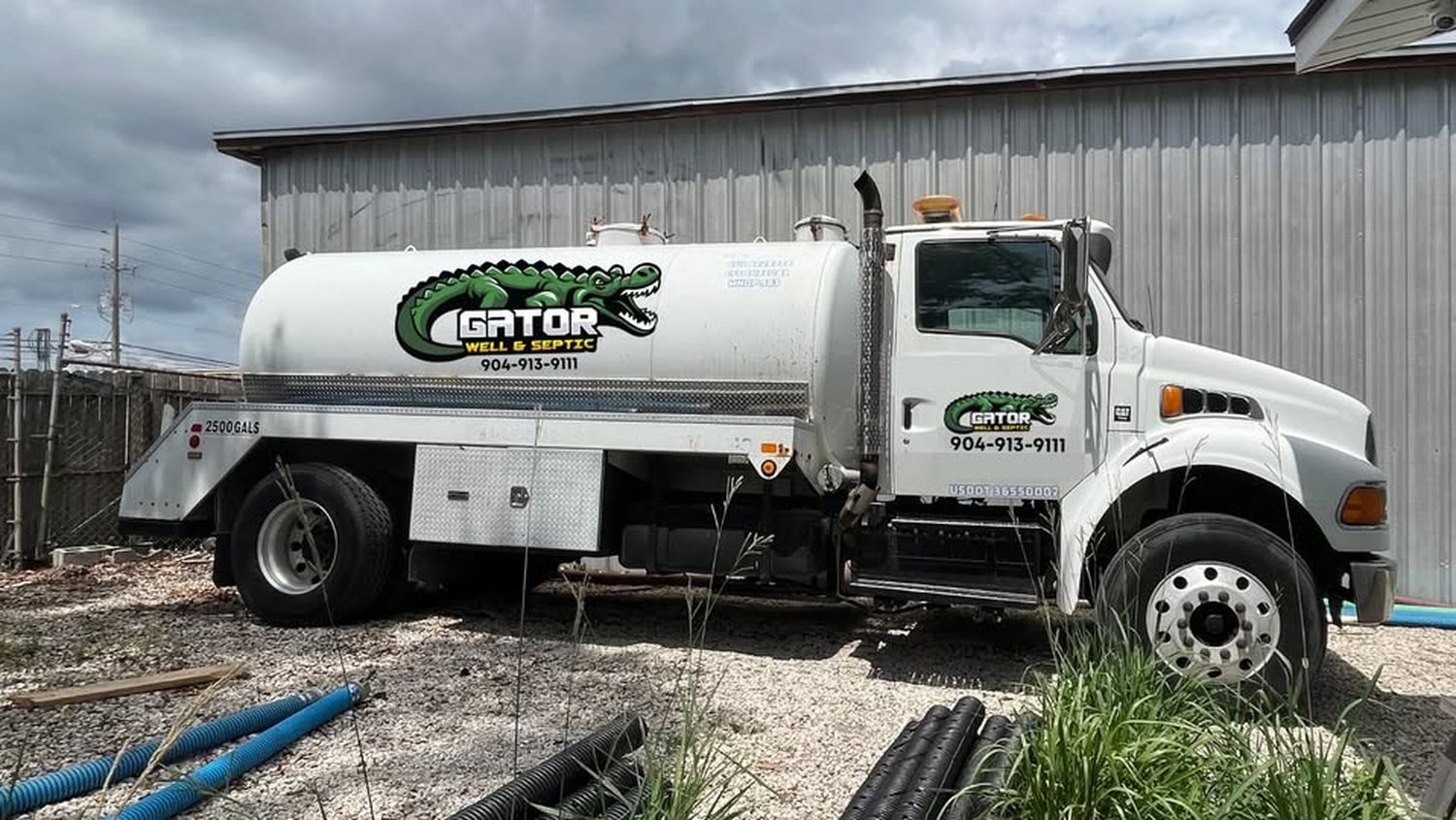
Septic tanks, drain fields, inspections and new installs across Northeast Florida — plus the well pumps and pressure tanks on properties that have one. You get a straight answer about what is wrong and what happens next.
Crews with 20+ years in the tradeLicensed & insuredOne-year warranty
Sewage in the yard or the house, a tank that won’t drain, or a well with no water. Call and you will get a person and a straight answer about when we can be there.
Septic is what we do, and we work around the well that is already on the lot when the problem sits between the tank and the pump.
Septic
Pump-outs on a three-to-five year cycle, plus a look at the tank, baffles and lid while it’s open.
Book a pump-out →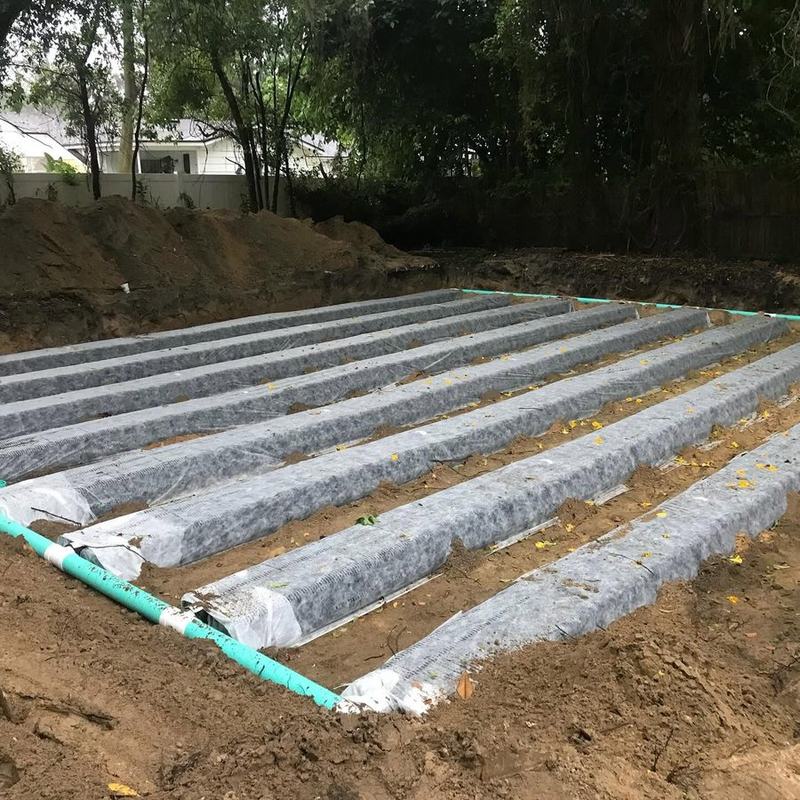
Septic
Standing water, slow drains, soggy ground over the field. We check whether it’s the field or something cheaper first.
Get it looked at →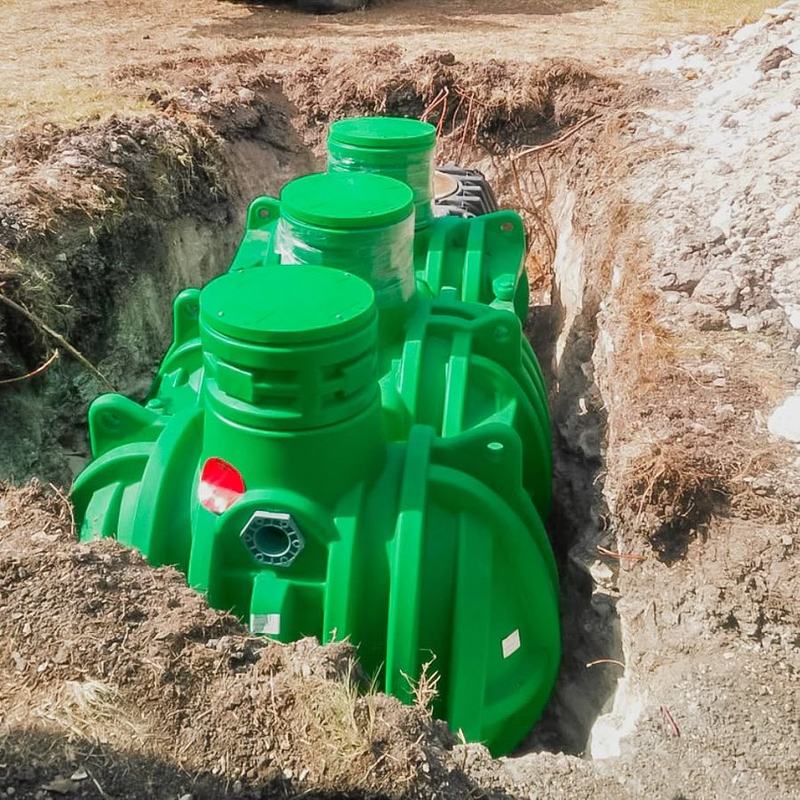
Septic
New builds and full replacements, with the county health department permit pulled for you.
Free installation quote →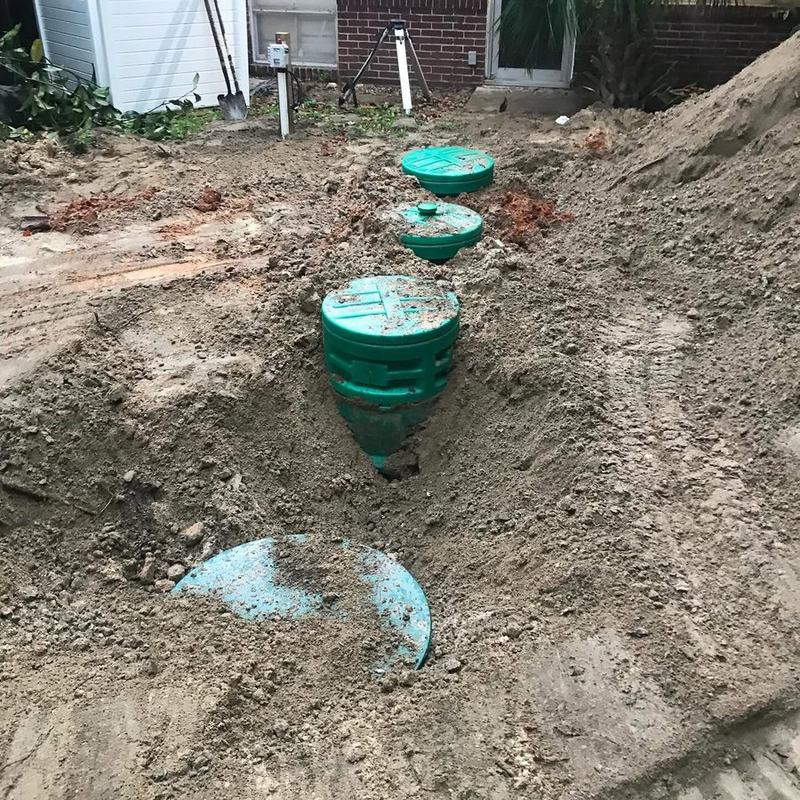
Septic
Written to a closing date — for buyers, sellers and the agents working the deal.
Book an inspection →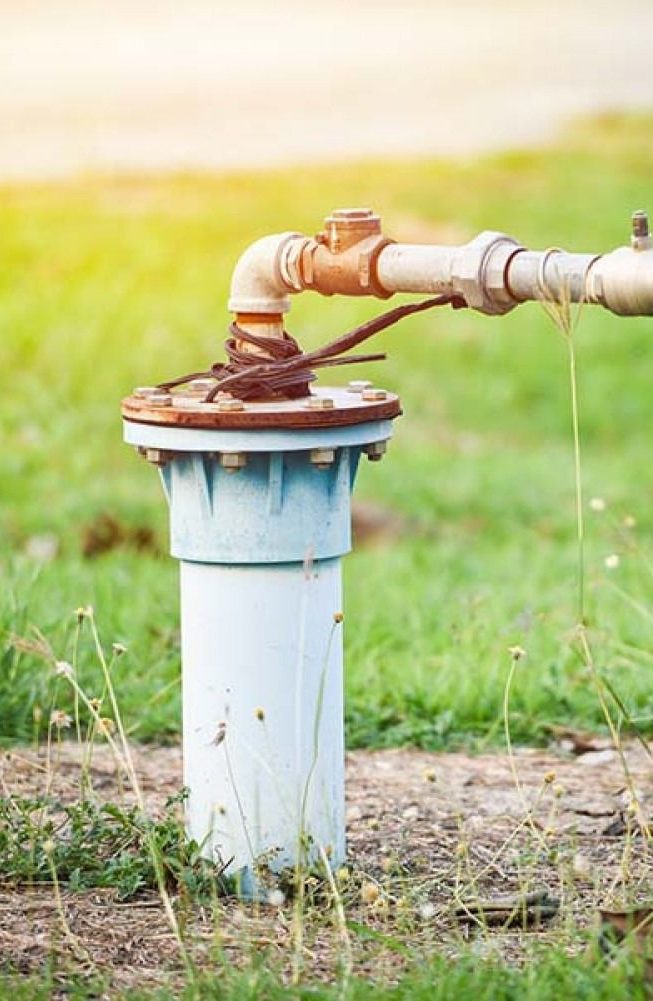
Wells
Sited clear of the septic system, with a pump sized to the well. Your county decides who issues the permit.
Start a new well →Wells
No water, low pressure, or a pump that won’t shut off. We diagnose before replacing anything.
Get water back on →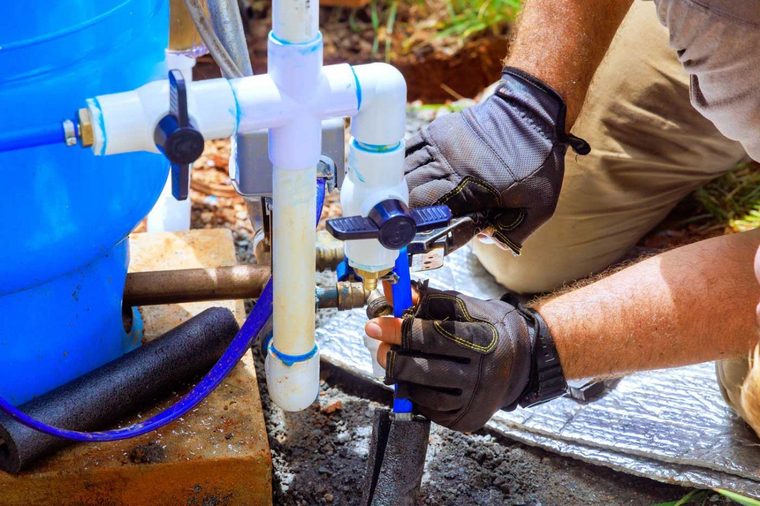
Wells
Short-cycling, swinging pressure, a switch that sticks. It is usually the cheapest fix on the well side.
Have it checked →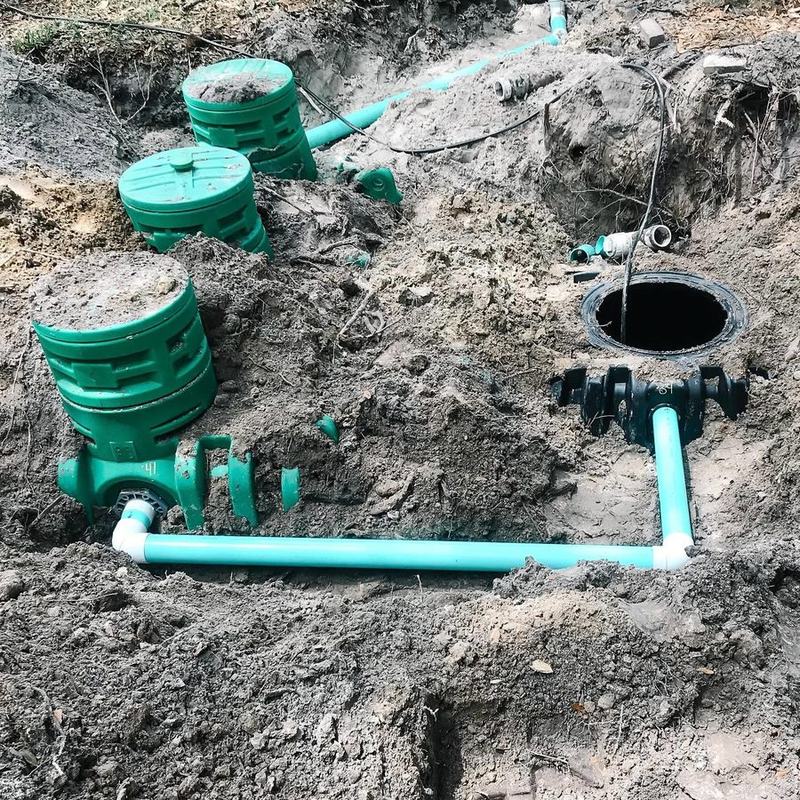
Wells
No water at the tap. We find out whether it’s the pump, the switch or the power before anything gets pulled.
Get water back on →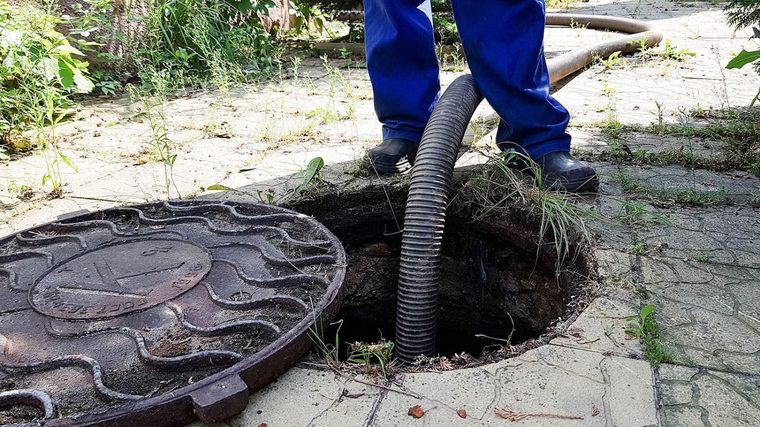
Wells
Casing, cap, flow test, pump and tank — written up for buyers, sellers and the agents working the deal.
Book an inspection →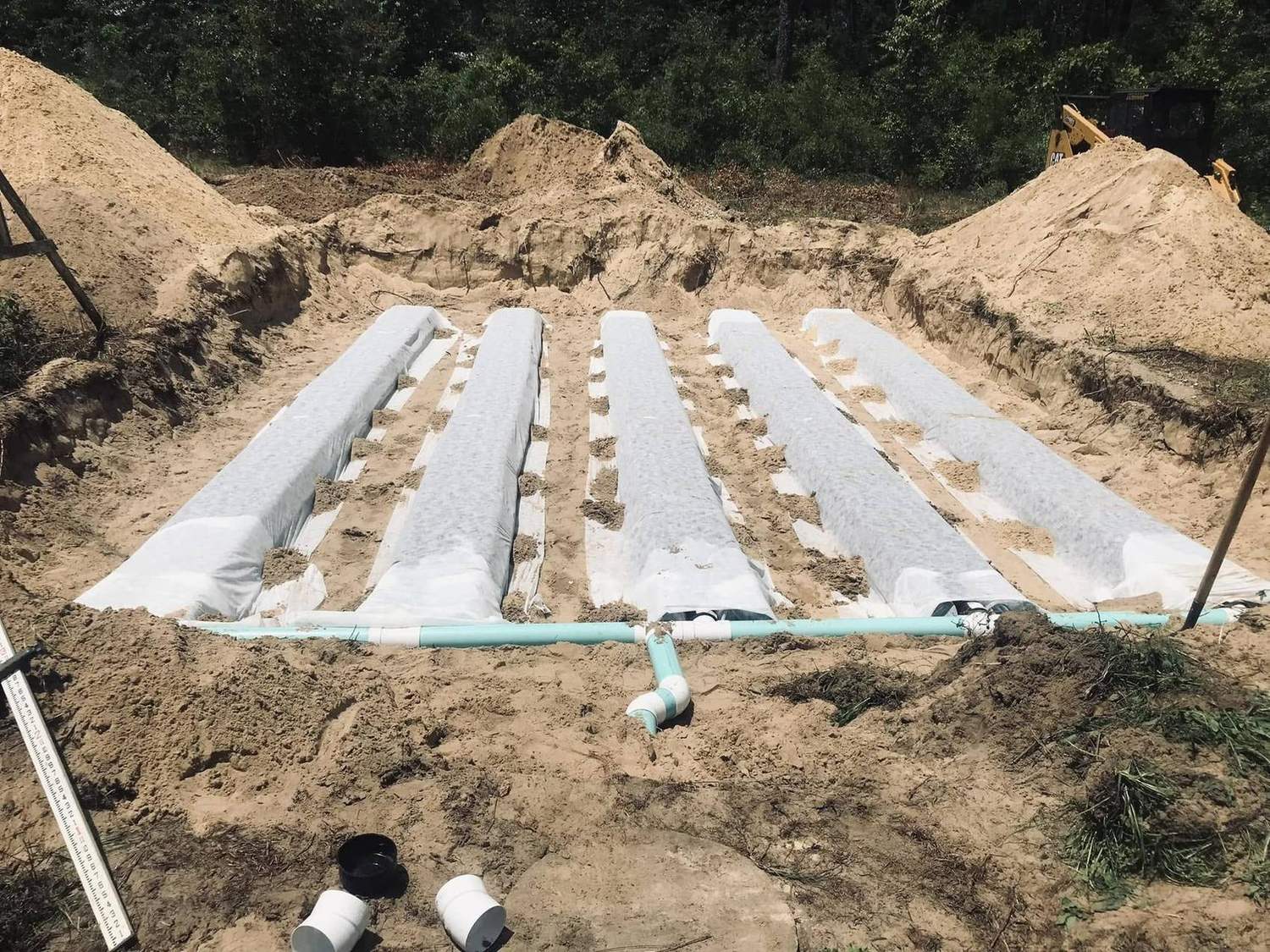
Drain fields
Most failed drain fields in Northeast Florida were killed by a tank that went unpumped too long. The rest are the water table. Either way, the fix starts with finding out which one you have — and that is a look, not a guess.
Verbatim from customers, with the job named.
“Woke up to no water pressure. I’m on a well in Ponte Vedra. Called Gator. They worked their schedule to fit me in and were at the house within 3 hours!! Turned out it was a simple pressure switch. Quick repair with honest, professional service.”
“Septic tank in home flooding emergency — nobody in Jacksonville would help us except Gator. They came the next day and resolved the emergency, extremely grateful for their service.”
“We were on a short deadline and they fit us in! They were on time, professional and very educated! This was my buyer’s first time with a septic system and they made them feel at ease and answered all their questions without being annoyed!!”
“I quickly received an on-sight evaluation and immediate proposal including firm cost. Plus, I can get the job scheduled in a timely manner rather than 6 weeks out.”
“This company is truly incredible. The owner answered the phone off business hours and helped me through a septic situation which I was forever grateful. I will not use another septic company.”
“I made the appointment over the phone with Stephanie to have my septic pumped. She was so helpful setting my appointment and explained everything. The driver called as promised as to what time he would be at my house.”
Areas we serve
From the Beaches through Clay County and up into Nassau. If your town isn’t listed, call and ask — we’ll tell you straight whether we can get to you.
Florida does not require a state-level septic inspection at the point of sale, but lenders, buyers and their agents commonly require one as a condition of the contract, and some loan programs will not close without it. Tell us the closing date when you call and we will work to it rather than to a six-week queue.
Most households need pumping every three to five years. Tank size, the number of people in the house, garbage disposal use and whether the system has a pump chamber all move that interval. Ground conditions count too, because a drain field that stays saturated will show problems sooner than one that drains freely.
Today the county health department issues it. Florida moved the onsite sewage program from the Department of Health to the Department of Environmental Protection on 1 July 2021. DEP has since taken over permitting in the 16 Northwest Florida counties and Marion County. Northeast Florida has not transitioned, and DEP’s own guidance is that county health departments continue to handle permitting and inspections until it does.
For a new well, yes, and the office depends on the county. Well construction across most of the area falls under the St. Johns River Water Management District, under Chapters 40C-3 and 62-532 of the Florida Administrative Code. The District has delegated that permitting to the county health departments. So in Nassau County the application goes to the Nassau County health department. Wells six inches or greater in outside diameter at land surface stay with the District. Duval County is one exception. There, wells under six inches in diameter are permitted by the City of Jacksonville Environmental Quality Division. The rules there are Chapter 366 of the city Ordinance Code and Environmental Protection Board Rule 8. Union County goes the other way. It sits in the Suwannee River Water Management District. That district issues the well permit itself, under Chapter 40B-3 of the Florida Administrative Code. That covers construction, repair, modification and abandonment, apart from the jobs Rule 40B-3.051 of that code exempts. Baker County is the third case. Section 373.069 of the Florida Statutes puts the district line inside the county, along a range line and a township line. On the St. Johns side the Baker County health department issues the permit. Which side of that line a property sits on is a question for the two districts.
Watch what happens after a pump-out. If the tank empties and then refills quickly while the drains are still slow, water is not leaving the drain field and the field is the problem. If the tank stays empty and everything drains normally, it was simply full.
A failed pump usually means no water at all, or water that runs briefly then stops. A failed pressure tank usually means water still arrives but in bursts, with the pump switching on and off rapidly each time you open a tap. Check the breaker and pressure switch first either way, because both produce a no-water symptom and cost far less to put right.
Yes. Florida sets minimum separation distances between an onsite sewage system and a private potable well, so on a tight lot the two have to be designed around each other. We plan the septic layout around the well that is already there, and check the separation before the design is set.
Some jobs we can price on the phone. Permitted work such as a new system or a drain field replacement cannot be priced honestly until a site evaluation and the permit are done, because the soil and the wet-season water table decide the design. We give a ballpark up front, send a written estimate for the evaluation and permit stage, and the firm number follows once results are back.
Yes, and it is waived if you go ahead with the work. There is a charge for coming out and diagnosing the problem, on septic and on wells alike, and you are told what it is on the phone before anyone is dispatched. If the visit turns into a job, the charge comes off. We do it that way because a diagnosis is real work, and people do call to find out what is wrong and then go and fix it themselves.
Request service
Describe what you’re seeing and we’ll tell you whether it’s a pump-out, a part, or something bigger — before anyone comes out.
Call and talk to someone who works on these every day, or send the details and we will come back to you.