
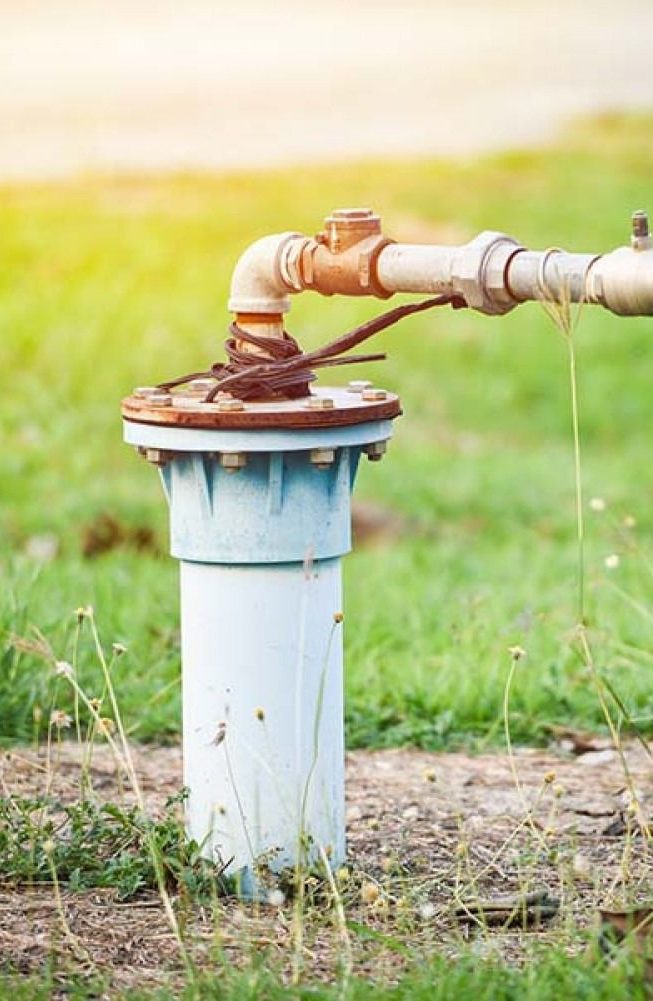
Water wells
Well Inspections Jacksonville
A well inspection is usually bought against a closing date, and a closing date does not move because the well turned out to have a problem. Book it early enough that a repair is still an option.
Crews with 20+ years in the tradeLicensed & insuredOne-year warranty
No water? Call and we will tell you what it sounds like.
A well that has stopped delivering, pressure that has dropped away, or a pump that will not shut off. Call and you will get a person and a straight answer about when we can be there.
When a well should be inspected
Once a year as maintenance, and before a property changes hands. The annual one catches the things that get expensive quietly. The transaction one exists because a well is the single largest unknown on a rural property, and neither side wants to find out about it late.
Selling a home with a well
What an inspection buys you is control of the timing. Anything found before the property is listed is a repair you schedule and price yourself. The same fault found by the buyer’s inspector ten days before closing is a negotiation, a delay, or a deal that falls through.
It is the same argument as a septic inspection, and on a property with both systems it is worth doing them together.
Buying a home with a well
A standard home inspection does not cover the well. Florida’s standards of practice and both national inspector associations exclude private wells and septic systems, so your home inspector is required to leave that gap in the report.
That gap is the reason this inspection exists. Findings can put repairs back on the seller, move the price, or give you a way out of the contract — but only if the inspection happens while there is still contract left to use.
What the inspection covers
A full inspection of the well system, not a look at the wellhead:
- Visual inspection of the whole well system, and the location recorded
- Well casing and lining checked for damage or contamination
- Well cap checked, including that it is vermin-proof
- Flow test to establish what the well delivers
- Well pump and its wiring connections
- Pressure tank, pressure switch and gauges, and the bladder checked for air pressure
- Aerator float valve, rod and screens where fitted
- Water softener operating level confirmed where one is installed
- Maintenance records checked and brought up to date
- A full written report with photographs
Water testing is a separate job
A water test is a lab test, and it is not part of this inspection — it is booked separately. Raise it early, because lenders often ask for one a day or two before closing, which is the worst possible moment to find a problem with the result.
Ask your lender whether a test will be required as soon as the contract is signed, and book it with a certified lab then. That way the result lands while there is still contract left to use it.
Our well work, and where it stops
We drill new wells and look after the ones already in the ground. That covers the pump, the pressure or bladder tank, the switches and wiring that go with them, water testing, and inspections for a home sale. We do not sell or fit water treatment equipment.
Treatment is a separate trade, and we would rather say so up front than leave you guessing. If your water needs it, call anyway. We will tell you what you are looking at and point you at the right trade.
Where we do this work
We handle well inspections across Duval, Clay, Nassau, St. Johns, Putnam, Union and Baker counties. Each area page covers the local ground conditions and which office issues the permit there.
Jacksonville · St. Augustine · Orange Park · Middleburg · Green Cove Springs · Ponte Vedra Beach · Fernandina Beach · Yulee
See every area we serve, all water well services, or who issues your permit.
Well inspections — questions we get asked
Does a home inspection include the well?
No. Florida’s home inspection standards of practice, and both national inspector associations, exclude private wells and septic systems. Your home inspector is required to leave that out, which is why a separate well inspection exists.
How often should a private well be inspected?
Once a year as routine maintenance, and again before a property is sold or bought. The annual inspection catches wear before it becomes a failure; the transaction inspection protects whoever is about to own the problem.
What does a well inspection check?
The whole system rather than the wellhead alone: casing and lining, the well cap, a flow test, the pump and its wiring, the pressure tank, switch and gauges, the bladder air pressure, aerator components and water softener where fitted. You get a written report with photographs.
Should I inspect the well and the septic system at the same time?
On a property with both, yes. They sit on the same lot under the same rules about separation, a failing drain field is a contamination route to a well beside it, and doing them together means one visit and one set of findings rather than two.
Related services
Wells
Well pump repair
No water at all, or pressure that comes and goes. Before anything gets replaced, the job is working out which component failed, because the wrong guess is an expensive one.
Read more →Wells
Pressure tanks
The least understood component on a well system, and the one whose failure quietly destroys the most expensive one.
Read more →Septic
Septic inspections
Most inspections we run are tied to a closing date, and a closing date does not move because a tank was hard to find. Book the inspection early enough that a repair is still an option.
Read more →Tell us what the system is doing.
Call and talk to someone who works on these every day, or send the details and we will come back to you.